Why Choose Olympic Barbells?
Performance
Premium materials and precision manufacturing.
Durability
Built to last with quality steel.
Value
Competitive pricing guaranteed.
What Separates a Real Weightlifting Bar
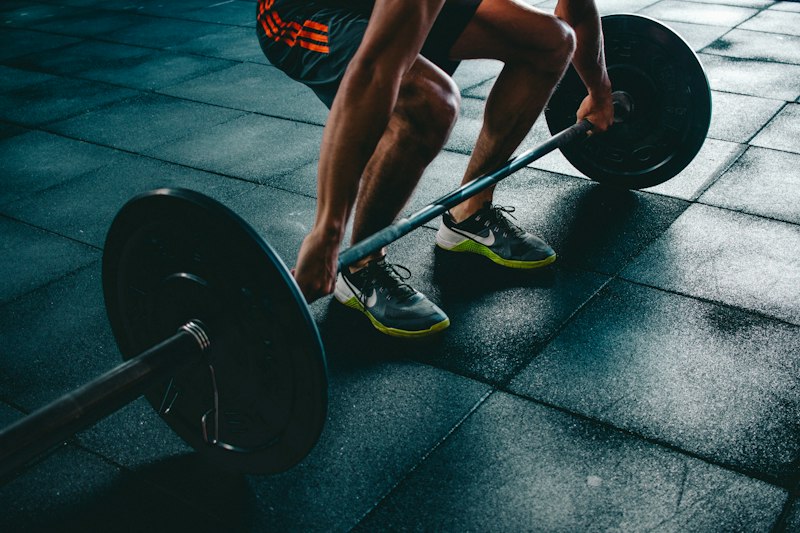
An Olympic weightlifting bar is engineered around two things powerlifters never need: whip and spin. The shaft stores and releases energy through the pull; the sleeves rotate freely so the bar spins in your hands during the catch. Get this wrong and every snatch fights the equipment.
- Whip: The elastic bend of the shaft. Skilled lifters time the whip rebound out of the clean for free energy at the jerk. A stiff bar makes the lift purely muscular; a whippy bar rewards technique.
- Bearing sleeves: Needle bearings give the free, fast rotation the catch demands — the bar must spin under you in the snatch. Bushings on an Olympic bar are a cost cut you will feel on every rep.
- IWF knurl marks: Weightlifting bars carry IWF marks (wider-spaced than IPF) and typically no center knurl — a center knurl tears your throat during high-rep cleans.
- 28mm shaft: Thinner than a power bar by a millimeter — that millimeter is the flex that creates the whip.
Frequently Asked Questions
What is the best Olympic weightlifting barbell?
A 28mm bar with needle-bearing sleeves, IWF knurl marks, no center knurl, and 190K+ PSI. Eleiko sets the standard; the picks above get you IWF-spec training for a fraction of the price.
Can I use an Olympic bar for powerlifting?
You can, but it is not optimal — the whip works against a stable bench and the light knurl struggles on heavy deadlifts. A multipurpose bar bridges both if you do both.
Why do Olympic barbells spin?
The catch in snatch and clean requires the bar to rotate in your hands — a spinning sleeve lets the bar turn while your wrists stay neutral. No spin means torque on your wrists and a miss.
Keep Exploring
Reviewed by the BarbellNearMe editorial team — competitive lifters and strength coaches. How we test.